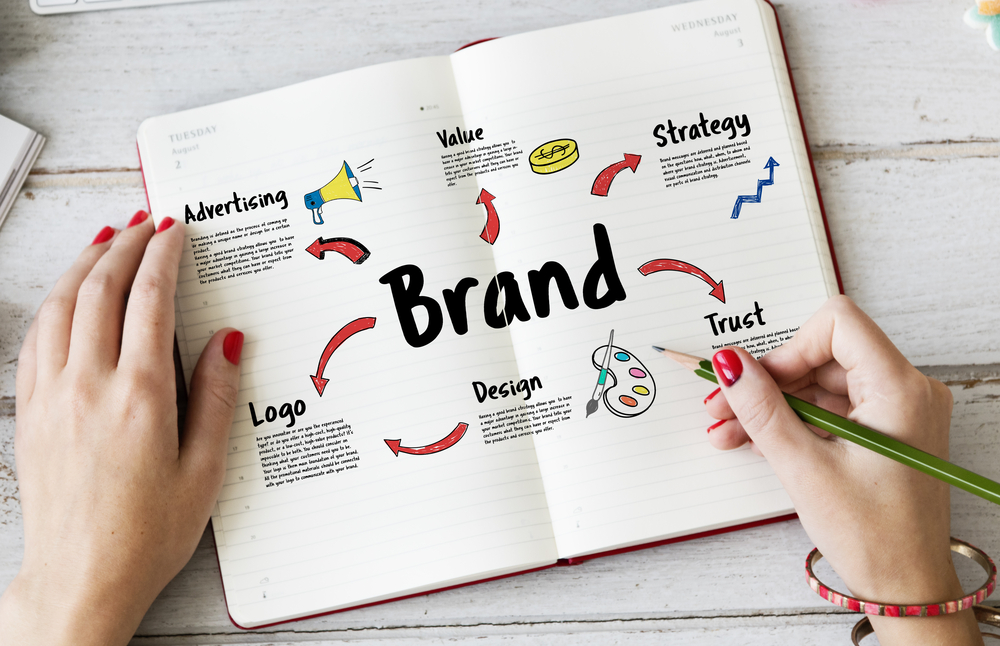
Building a brand that resonates with your audience requires more than just a memorable logo or catchy tagline. A well-crafted brand persona serves as the foundation for how your business communicates, connects, and builds lasting relationships with customers. Whether you’re launching a new venture, rebranding an existing company, or struggling to maintain consistent messaging across channels, understanding when and how to create a brand persona can transform your marketing efforts. This guide walks you through the strategic timing for persona development, the connection between personas and brand characters, and practical steps for aligning your brand voice with your overall business strategy.
5WPR Insights
Understanding the Right Time to Build Your Brand Persona
Creating a brand persona at the right moment can mean the difference between a cohesive brand identity and scattered, ineffective messaging. The most opportune time to develop a brand persona is during the early stages of your marketing strategy, particularly when launching a brand, undergoing a rebrand, or preparing to enter new markets. Well-defined personas help segment audiences and ensure your messaging resonates with the right people at the right time.
Several clear indicators suggest your business needs a brand persona now rather than later. If you notice inconsistent messaging across your marketing channels, low engagement rates on social media, or confusion about who your target audience actually is, these are red flags that a structured persona could solve. When your team struggles to make decisions about tone, content, or visual identity, a brand persona provides the reference point everyone needs.
The timeline for creating a brand persona is more accessible than many business owners realize. Research shows that a small team can develop a functional brand persona in as little as 3–9 working days, making it a feasible project even for startups and small businesses with limited resources. This relatively quick turnaround means you can implement persona development during initial brand development phases or when facing immediate challenges like declining customer engagement.
Before launching major campaigns or entering new markets, take time to build your persona using demographic, psychographic, and behavioral data. Gather insights through customer surveys, interviews, and analytics to shape a persona that aligns with your company’s vision and values. This upfront investment prevents costly missteps and ensures your marketing dollars target the right audience segments from day one.
Connecting Brand Personas to Mascot and Character Development
A brand persona provides the essential foundation for developing mascots or characters that truly represent your business. When you understand the emotional triggers, values, and personality traits that define your brand, you can create characters that embody these qualities in a visual, memorable form. The persona acts as a blueprint, ensuring your mascot or character feels authentic rather than arbitrary.
Start by examining the traits outlined in your brand persona. If your persona describes a friendly, approachable brand that values simplicity and transparency, your mascot should reflect these characteristics through its design, expressions, and behavior. The character’s visual style, color palette, and even body language should align with the tone and style your target audience prefers on each platform where you’ll deploy it.
Consider how successful brands have used this approach. Characters like Tony the Tiger embody energy, confidence, and family-friendly appeal because these traits matched Kellogg’s brand persona for Frosted Flakes. The Michelin Man represents reliability, safety, and approachability—all core values of the Michelin brand persona. These characters work because they’re not random creations; they’re visual manifestations of carefully defined brand identities.
Use your persona’s background, motivations, and frustrations to guide character development. If your persona reveals that your audience values humor and doesn’t take themselves too seriously, your mascot can incorporate playful elements and witty expressions. If your audience seeks expertise and professionalism, your character should project confidence and knowledge through its design and messaging.
Avoid common mistakes by ensuring your mascot remains consistent with brand values across all touchpoints. Test your character with real audience members before full deployment, and be prepared to refine based on feedback. The character should feel like a natural extension of your brand, not a disconnected marketing gimmick.
Defining and Developing Your Brand Voice
Brand voice plays a central role in persona creation, serving as the auditory and tonal expression of your brand’s personality. Define your brand voice early in the persona creation process, adapting the tone—whether professional, friendly, humorous, or authoritative—to match your audience’s expectations and the context of each platform.
Your brand voice should be documented as a key section within your persona materials, describing exactly how it should be reflected in communication, content, and customer service interactions. This documentation ensures all team members understand and can consistently apply the voice across every customer touchpoint. Create a style guide that includes specific examples of approved and discouraged language, tone variations for different contexts, and sample messages that exemplify your brand voice.
Different audience segments may respond better to variations in voice while maintaining core brand characteristics. Tailor your brand voice to each persona when you serve multiple audience types, ensuring that messaging, design, and tone are personalized to resonate with different segments. A B2B audience might prefer a more professional, data-driven voice, while a consumer audience might respond better to conversational, emotionally-driven language.
Test your brand voice through small-scale campaigns before rolling it out broadly. Gather feedback from customers and internal stakeholders to refine the voice until it feels natural and authentic. Pay attention to engagement metrics, customer comments, and sentiment analysis to understand whether your voice connects with your audience or creates distance.
Maintain consistency by training all team members who create content or interact with customers. From social media managers to customer service representatives, everyone should understand and embody the brand voice. Regular audits of your content across channels help identify inconsistencies and opportunities for improvement.
Knowing When to Update Your Brand Persona
Brand personas aren’t static documents that you create once and forget. Review and update your brand persona regularly, especially after major market shifts, changes in audience behavior, or product evolution. This ongoing refinement ensures your persona remains relevant and effective as your business and market conditions change.
Plan to assess your persona every 3–4 years as a baseline, but be prepared to revisit it more frequently if you notice significant changes in your industry or audience. Signs that indicate it’s time for an update include new competitors entering your market, shifts in customer preferences revealed through analytics, changes in your product offerings, or declining engagement with your current messaging.
The update process should involve gathering fresh data through customer surveys, interviews, and behavioral analytics. Compare this new information against your existing persona to identify gaps or outdated assumptions. Look for patterns in customer feedback, support tickets, and social media conversations that reveal how your audience’s needs and preferences have evolved.
Since the initial persona creation process is relatively quick, ongoing refinement doesn’t require massive resource investments. Small teams can complete persona updates in a matter of days, making it practical to maintain current, accurate personas that reflect real-world behaviors and preferences.
Document what changes you make and why, creating a version history for your persona. This practice helps your team understand how your audience has evolved over time and makes it easier to onboard new team members who need to understand your brand’s history and direction.
Aligning Your Brand Persona with Marketing and Product Strategy
A brand persona delivers maximum value when it guides both marketing campaigns and product development decisions. Align your brand persona with marketing and product strategy by ensuring all campaigns, features, and customer experiences reflect the persona’s values and goals. This alignment creates consistency that builds trust and recognition with your audience.
Use your brand persona to inform content creation, advertising strategies, and engagement tactics across all channels and touchpoints. When planning a new campaign, refer to your persona to determine the right messaging angles, visual styles, and distribution channels. Ask whether each marketing decision serves the needs and preferences outlined in your persona.
Integrate your brand persona into product design by aligning customer goals with business objectives. When developing new features or services, consider whether they address the pain points and aspirations your persona represents. This approach ensures that your product development efforts create real value for your target audience rather than building features that seem interesting but don’t solve actual customer problems.
Cross-functional alignment between marketing, product, and design teams becomes easier when everyone works from the same persona. Schedule regular meetings where teams review how their work aligns with the persona and identify opportunities for better integration. Share customer feedback and data that validates or challenges persona assumptions, keeping all teams informed about your audience’s evolving needs.
Personalize marketing campaigns and product offerings based on your brand persona, ensuring that each interaction is relevant and engaging for your target audience. This personalization extends beyond using someone’s name in an email—it means crafting experiences that feel specifically designed for the people your persona represents.
Conclusion
Creating a brand persona at the right time and for the right reasons can transform how your business connects with customers. The best time to develop a persona is during brand launch, rebranding, or when entering new markets, but clear signs like inconsistent messaging or low engagement indicate you should create one immediately. Your brand persona serves as the foundation for mascot and character development, ensuring these visual elements authentically represent your brand values and resonate with your audience.
Brand voice development should happen early in the persona creation process, with clear documentation and training to maintain consistency across all channels. Regular updates every 3–4 years, or when market conditions shift significantly, keep your persona relevant and effective. By aligning your brand persona with both marketing and product strategy, you create a cohesive brand experience that builds trust and loyalty.
Start by gathering data about your current audience through surveys, interviews, and analytics. Use this information to build your first persona, then test it by applying it to upcoming marketing decisions and product features. Document your brand voice and share it with your team, ensuring everyone understands how to communicate consistently. Schedule regular reviews to keep your persona current, and watch as this strategic tool helps you build a brand that truly resonates with the people you serve.
More PR Insights
Using User Behavior Data to Refine Comms Messaging
Rapid Response Protocols For Surprise Media Mentions
What Makes a Brand Press-Worthy in 2026